Humidity Test Chamber for Reliable Moisture Testing
Modern industries operate in a world where environmental conditions can make or break a product’s performance. Among all external factors, humidity is one of the most unpredictable and damaging elements. Whether its electronic devices malfunctioning due to moisture or packaging materials degrading in damp conditions, the impact of humidity is widespread.
To ensure products are durable and reliable, manufacturers rely on controlled testing environments. This is where a Humidity test chamber becomes an essential part of quality assurance. It allows companies to simulate real-world moisture conditions and observe how products respond over time, helping them deliver better and more dependable solutions to the market.
Understanding the Concept of a Humidity Test Chamber
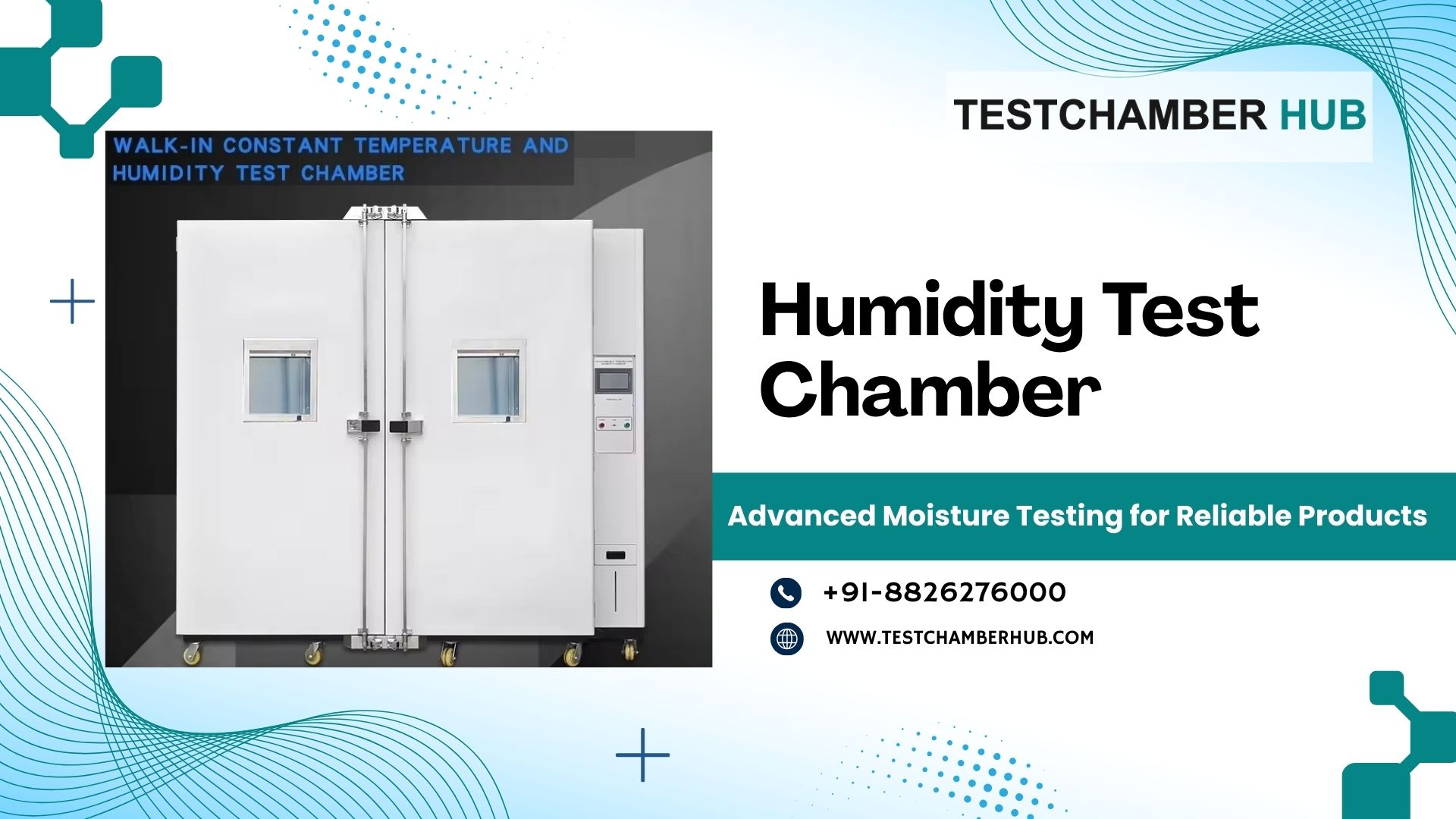
A Humidity test chamber is a precision-engineered enclosure designed to create controlled temperature and humidity conditions. It is used to evaluate how materials, components, and finished products react when exposed to varying levels of moisture in the air.
Unlike natural environmental exposure, which is inconsistent and time-consuming, these chambers provide repeatable and accurate testing conditions. This controlled setup ensures that manufacturers can analyse performance, identify weaknesses, and refine product designs efficiently.
The Science Behind Humidity Testing
Humidity testing is based on the concept of relative humidity (RH), which measures the amount of moisture present in the air compared to the maximum amount the air can hold at a specific temperature. Even small changes in RH can significantly affect material properties.
Inside a Humidity test chamber, sensors continuously monitor both temperature and moisture levels. The system adjusts these parameters automatically to maintain precise conditions. This controlled environment enables engineers to replicate extreme climates such as tropical humidity or dry desert conditions within a laboratory setting.
Why Humidity Testing is Crucial in Manufacturing
Ignoring humidity effects can lead to serious product failures. Moisture can silently damage products long before they are used by customers. A Humidity test chamber helps prevent such risks by enabling early detection of potential issues.
Some critical problems caused by humidity include:
- Metal corrosion and rust formation
- Expansion or contraction of materials
- Electrical insulation failure
- Mold and microbial growth
- Reduced shelf life of sensitive products
By identifying these issues during testing, manufacturers can improve product design and avoid costly failures in real-world conditions.
Working Mechanism of a Humidity Test Chamber
A Humidity test chamber operates through a combination of advanced systems that work together to maintain precise environmental conditions.
Temperature Control System
Heating elements and cooling units regulate the internal temperature. This is important because humidity levels are directly influenced by temperature changes.
Moisture Generation System
Water is introduced into the chamber in the form of vapor or mist to achieve the desired humidity levels. This system ensures accurate control over moisture content.
Air Circulation System
Uniform air distribution is critical for consistent testing. Fans circulate air evenly throughout the chamber, preventing variations in temperature and humidity.
Control and Monitoring System
Digital controllers and sensors constantly track environmental conditions and make real-time adjustments. This ensures accuracy and repeatability in every test cycle.
Different Types of Humidity Test Chambers
Not all testing requirements are the same, which is why different types of Humidity test chamber systems are available:
Constant Humidity Chambers
Maintain stable temperature and humidity levels for long-duration testing.
Cyclic Humidity Chambers
Simulate changing environmental conditions by alternating between different humidity and temperature levels.
High-Humidity Chambers
Designed for testing products in extremely moist environments.
Combined Environmental Chambers
Offer both temperature and humidity testing, allowing for more comprehensive analysis.
Each type serves a specific purpose depending on the industry and testing requirements.
Key Applications Across Industries
The importance of a Humidity test chamber can be seen across various sectors:
Electronics and Electrical Industry
Used to test circuit boards, batteries, and devices for moisture resistance and long-term reliability.
Pharmaceutical Industry
Ensures medicines and packaging remain stable under different humidity conditions.
Automotive Industry
Tests vehicle parts such as sensors, coatings, and interiors to withstand environmental changes.
Textile and Packaging Industry
Evaluates the durability and strength of materials when exposed to moisture.
Research Laboratories
Helps scientists study material behaviour and environmental effects in controlled conditions.
https://www.youtube.com/watch?v=kvlkxgCfaCs
Features That Define a High-Quality Humidity Test Chamber
Modern Humidity test chamber systems are designed with advanced features that enhance performance and usability:
- High precision control for temperature and humidity
- Programmable test cycles for automated operation
- Digital interfaces for easy monitoring
- Data logging for analysis and reporting
- Energy-efficient design
- Robust construction for long-term use
These features make testing more efficient and reliable.
Advantages of Using a Humidity Test Chamber
Investing in a Humidity test chamber provides long-term benefits for businesses:
Better Product Reliability
Products are tested under realistic conditions, ensuring consistent performance.
Reduced Risk of Failure
Early detection of defects helps prevent product recalls and customer complaints.
Cost Efficiency
Minimizes losses caused by damaged or defective products.
Compliance with Standards
Helps meet industry regulations and quality certifications.
Faster Innovation
Speeds up product development by enabling quick and accurate testing.
How to Choose the Right Humidity Test Chamber
Selecting the right Humidity test chamber depends on several factors:
- Required temperature and humidity range
- Size and capacity of the chamber
- Accuracy and control features
- Industry standards and compliance
- Customization options
- Maintenance and support services
A well-chosen chamber ensures reliable testing and maximum return on investment.
Emerging Trends in Humidity Testing
Technology is rapidly transforming environmental testing equipment. The latest Humidity test chamber models now include smart features such as remote monitoring, automated reporting, and IoT integration.
These advancements allow users to control and monitor tests from anywhere, improving efficiency and reducing manual effort. In the future, AI-driven analysis may further enhance testing accuracy and predictive capabilities.
Conclusion
A Humidity test chamber is more than just a testing device—it is a critical tool for ensuring product quality and reliability in today’s demanding market. By simulating real-world environmental conditions, it helps manufacturers understand how their products will perform over time.
From improving durability to ensuring compliance, the benefits of humidity testing are undeniable. Businesses that invest in advanced testing solutions gain a competitive edge by delivering products that customers can trust.To explore high-performance testing solutions and advanced environmental chambers, visit Test Chamber Hub and discover the right equipment for your needs.