Hot and Cold Chamber for Temperature Testing
In modern industrial practices, maintaining product quality and reliability is a critical requirement. Products are often exposed to varying environmental conditions during storage, transportation, and usage. Among these conditions, temperature plays a significant role in influencing product performance, durability, and safety.
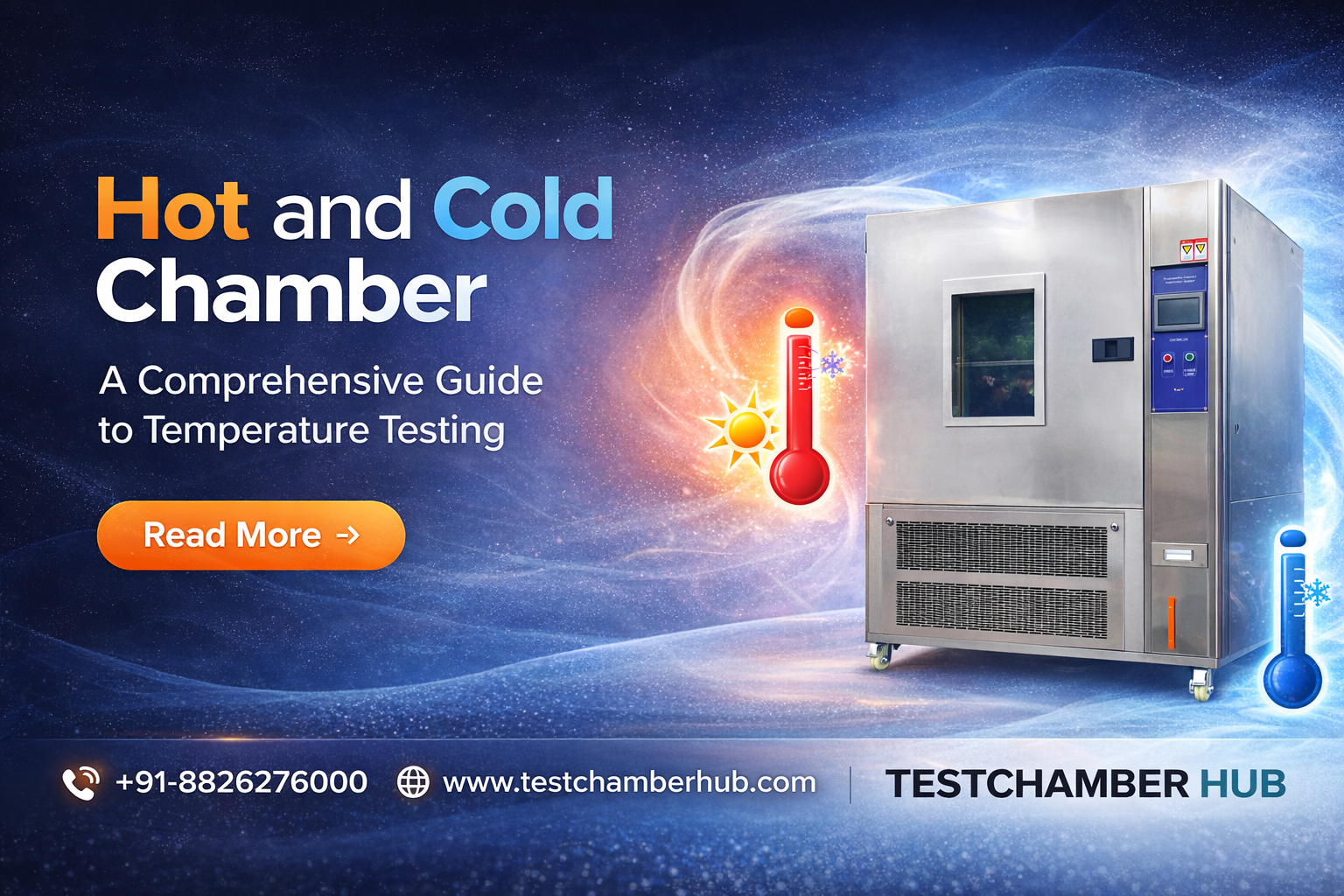
A Hot and cold chamber is widely used to simulate such environmental conditions in a controlled setting. It enables manufacturers and researchers to evaluate how products respond to extreme temperature variations, ensuring that they meet required standards before being introduced to the market.
What is a Hot and Cold Chamber?
A Hot and cold chamber is an advanced environmental testing system designed to expose materials and products to both high and low temperature conditions. It allows precise control over temperature ranges, enabling consistent and repeatable testing.
This type of chamber is commonly used to study the effects of thermal stress on various materials, components, and finished goods. By replicating real-world temperature conditions, it helps identify potential weaknesses, improve product design, and enhance overall performance.
Working Principle of a Hot and Cold Chamber
The operation of a Hot and cold chamber is based on maintaining controlled temperature conditions through integrated heating and cooling systems.
Heating Mechanism
The chamber uses electrical heating elements to increase the internal temperature. These elements are designed to provide uniform heat distribution throughout the testing area.
Cooling Mechanism
Cooling is achieved through refrigeration systems that reduce the temperature within the chamber. This allows the simulation of low-temperature conditions required for testing.
Air Circulation System
Air circulation is maintained using fans that distribute temperature evenly inside the chamber. This ensures that all test samples are exposed to identical conditions.
Control and Monitoring
Modern chambers are equipped with digital controllers and sensors that continuously monitor temperature levels. These systems allow precise programming and real-time adjustments, ensuring accurate testing outcomes.
Key Features of a Hot and Cold Chamber
A well-designed Hot and cold chamber includes several features that contribute to its efficiency and reliability:
- Wide temperature range for versatile testing
- High precision and stability in temperature control
- Uniform air distribution for consistent results
- Programmable control systems for automated testing
- Durable construction for long-term use
- Energy-efficient operation
These features make the chamber suitable for a wide range of industrial applications.
Applications in Various Industries
The use of a Hot and cold chamber is essential across multiple industries where product performance under temperature variations must be evaluated.
Electronics Industry
Electronic components such as circuit boards, sensors, and batteries are tested to ensure they function properly under extreme temperatures.
Automotive Industry
Vehicle components are subjected to temperature testing to evaluate their performance in different climatic conditions.
Pharmaceutical Industry
Temperature testing is crucial for determining the stability and shelf life of medicines and medical products.
Aerospace Industry
Materials and components used in aerospace applications are tested to withstand extreme temperature variations.
Research and Development
Laboratories use these chambers for material testing, product innovation, and quality improvement.
Advantages of Using a Hot and Cold Chamber
Improved Product Reliability
Testing under controlled temperature conditions ensures that products perform consistently in real-world environments.
Early Identification of Defects
Potential issues can be detected during the testing phase, allowing necessary improvements before production.
Compliance with Standards
The chamber helps manufacturers meet international quality and safety standards.
Enhanced Efficiency
Automated testing processes reduce manual effort and improve accuracy.
Cost Optimization
By identifying defects early, companies can avoid expensive product failures and recalls.
Types of Hot and Cold Chambers
Different testing requirements have led to the development of various types of Hot and cold chamber systems:
Constant Temperature Chambers
These chambers maintain a fixed temperature for extended testing periods.
Temperature Cycling Chambers
They simulate repeated heating and cooling cycles to test product durability.
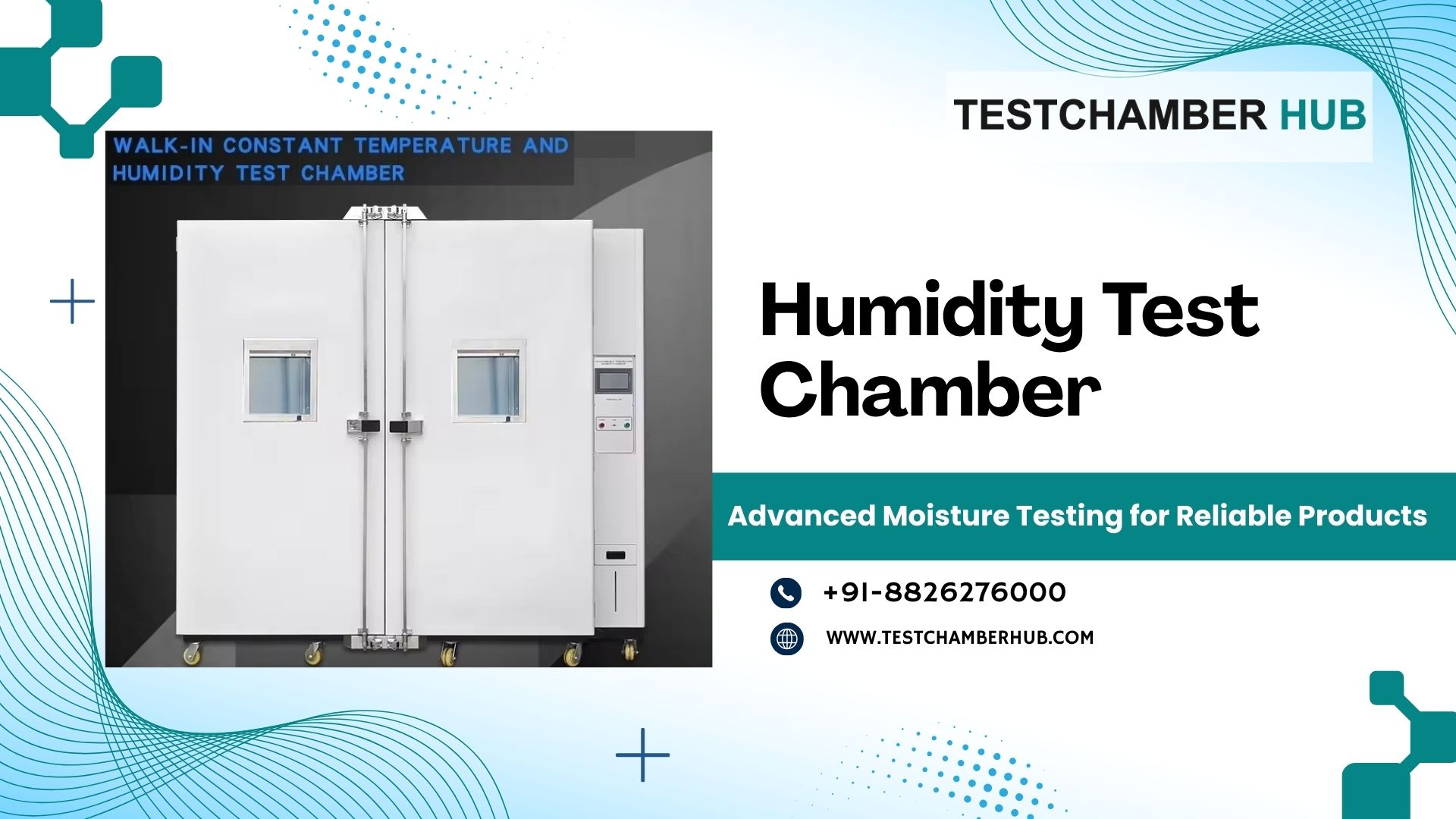
Walk-in Chambers
Designed for large-scale testing, these chambers can accommodate bulky equipment and multiple samples.
Thermal Shock Chambers
These chambers rapidly switch between high and low temperatures to test material resistance to sudden changes.
Each type is designed to meet specific testing needs depending on the application.
Factors to Consider When Selecting a Hot and Cold Chamber
Choosing the appropriate Hot and cold chamber is essential for achieving accurate and reliable testing results. Key factors to consider include:
- Required temperature range and accuracy
- Size and capacity of the chamber
- Control system capabilities
- Compliance with industry standards
- Energy consumption and efficiency
- Availability of maintenance and technical support
A careful evaluation of these factors ensures optimal performance and long-term value.
Future Developments in Temperature Testing
Advancements in technology are continuously improving the functionality of environmental testing equipment. Modern Hot and cold chamber systems now incorporate features such as remote monitoring, data logging, and automated control systems.
These innovations enable better analysis, increased efficiency, and improved accuracy in testing processes. As industries continue to evolve, the demand for advanced and reliable testing solutions is expected to grow.
Conclusion
A Hot and cold chamber is an indispensable tool in industries where product reliability and performance are of utmost importance. By simulating extreme temperature conditions, it allows manufacturers to evaluate product behaviour under realistic scenarios.
The use of such chambers not only enhances product quality but also ensures compliance with industry standards and customer expectations. Investing in advanced temperature testing solutions is a strategic decision that supports long-term success and innovation.
For reliable and high-performance testing solutions, explore advanced options at Test Chamber Hub and strengthen your product development process.